Settlement Guide

Settlement: causes, assessment and design response

Most ground-related serviceability complaints are settlement problems. This guide explains the settlement mechanisms we assess, how movement is investigated and monitored, what the calculations rely on and the mitigation options available.

Start here

Total movement rarely causes damage — differential movement does

A structure can tolerate substantial uniform settlement. Damage generally follows from movement that varies across the footprint or over time.

We assess the magnitude and timing of movement under the proposed loading, then compare it with what the structure and its finishes can tolerate. Where the prediction exceeds that tolerance, the response may be a stiffer foundation, ground improvement, load redistribution, preloading or a change in construction sequence.

  1. 01ToleranceEstablish the distortion the structure and finishes can accept before choosing a fix.
  2. 02MechanismLoad-driven, moisture-driven and fill settlement need different responses.
  3. 03TimingConsolidation and creep may continue well past practical completion.
  4. 04Data qualityConsolidation parameters need adequate sampling to be meaningful.
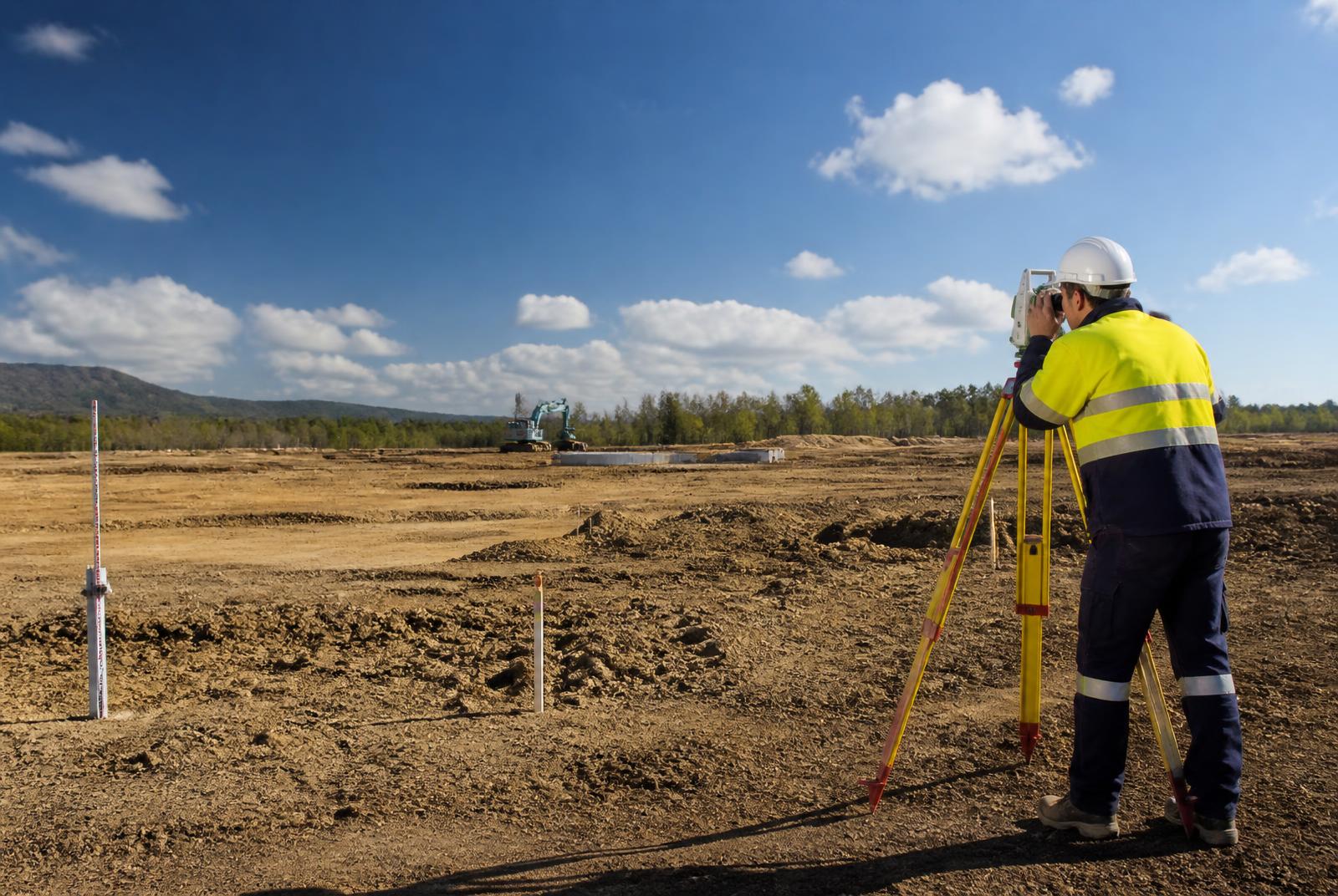
Surveyor taking precise level readings on a settlement monitoring point beside a building

Comparison

Settlement mechanisms and how they are assessed — at a glance

An overview only. Every entry below is described cautiously and is not an engineering limit; suitability is always confirmed against site-specific data.

Comparison of mechanisms & methods, typical applications and key limitations
Mechanisms & methodsBest suited toKey consideration
Immediate SettlementGranular soils and stiff clays where consolidation is not the controlling mechanism.Assessed from stiffness parameters correlated to in-situ testing and load geometry.
Consolidation SettlementSoft clays and silts beneath fill, embankments, tanks and slabs.Requires consolidation testing for compressibility and rate; drainage path length controls timing.
Creep / Secondary SettlementLong design-life assessments over peat, organic clays and deep soft deposits.Assessed over the design life rather than the construction period.
Fill Settlement & Self-WeightSites with legacy fill, level raising or deep filled batters and gullies.Fill age, composition and compaction condition assessed by test pits, penetrometer testing and records.
Reactive Soil MovementResidential footings across much of Queensland's clay profiles.Site classification, moisture condition, tree influence and drainage all considered in footing recommendations.
Differential Settlement AnalysisLong or irregular buildings, staged loading and split cut-and-fill platforms.Compared against distortion limits appropriate to the structural form and finishes.
Monitoring & Level SurveysExisting structures, staged filling, preloading and cases where movement may be ongoing.Baseline, frequency and duration matched to the expected rate of movement.
Mitigation DesignWhere predicted or measured movement exceeds the tolerance of the structure.Selected against programme, cost, access and how much residual movement can be accepted.

Mechanisms & methods

Settlement mechanisms and how they are assessed

Different mechanisms need different data and produce very different timeframes, so identifying the mechanism comes before any calculation.

Mechanisms & method 01

Immediate Settlement

Elastic compression occurring as load is applied, largely complete by end of construction.

Best suited to / typical applications

Granular soils and stiff clays where consolidation is not the controlling mechanism.

Design & construction considerations

Assessed from stiffness parameters correlated to in-situ testing and load geometry.

Limitations, risks & verification

Stiffness estimates carry scatter; small variations across a footprint can still cause distortion.

Discuss this option

Mechanisms & method 02

Consolidation Settlement

Time-dependent settlement as water is expelled from saturated fine-grained soils under load.

Best suited to / typical applications

Soft clays and silts beneath fill, embankments, tanks and slabs.

Design & construction considerations

Requires consolidation testing for compressibility and rate; drainage path length controls timing.

Limitations, risks & verification

Predicted timing is sensitive to drainage assumptions; monitoring is often required to confirm progress.

Discuss this option

Mechanisms & method 03

Creep / Secondary Settlement

Continuing slow compression after primary consolidation, notable in organic and highly plastic soils.

Best suited to / typical applications

Long design-life assessments over peat, organic clays and deep soft deposits.

Design & construction considerations

Assessed over the design life rather than the construction period.

Limitations, risks & verification

Difficult to predict precisely; long-term monitoring is the practical check.

Discuss this option

Mechanisms & method 04

Fill Settlement & Self-Weight

Settlement of uncontrolled or newly placed fill under its own weight and added loading.

Best suited to / typical applications

Sites with legacy fill, level raising or deep filled batters and gullies.

Design & construction considerations

Fill age, composition and compaction condition assessed by test pits, penetrometer testing and records.

Limitations, risks & verification

Uncontrolled fill is inherently variable; treatment or founding through it is often required.

Discuss this option

Mechanisms & method 05

Reactive Soil Movement

Shrink-swell movement of expansive clays with seasonal moisture change rather than applied load.

Best suited to / typical applications

Residential footings across much of Queensland's clay profiles.

Design & construction considerations

Site classification, moisture condition, tree influence and drainage all considered in footing recommendations.

Limitations, risks & verification

Movement is cyclic and can be aggravated by leaks, poor drainage or vegetation change after construction.

Discuss this option

Mechanisms & method 06

Differential Settlement Analysis

Assessment of how movement varies across a footprint due to soil profile, fill depth or load variation.

Best suited to / typical applications

Long or irregular buildings, staged loading and split cut-and-fill platforms.

Design & construction considerations

Compared against distortion limits appropriate to the structural form and finishes.

Limitations, risks & verification

Requires enough investigation coverage to characterise the variation across the footprint.

Discuss this option

Mechanisms & method 07

Monitoring & Level Surveys

Baseline and repeat level surveys, settlement plates and, where relevant, extensometers to measure actual movement.

Best suited to / typical applications

Existing structures, staged filling, preloading and cases where movement may be ongoing.

Design & construction considerations

Baseline, frequency and duration matched to the expected rate of movement.

Limitations, risks & verification

Monitoring tells you what has happened, not what will — it must run long enough to be conclusive.

Discuss this option

Mechanisms & method 08

Mitigation Design

Preloading, surcharge, ground improvement, stiffened or deep foundations and load redistribution.

Best suited to / typical applications

Where predicted or measured movement exceeds the tolerance of the structure.

Design & construction considerations

Selected against programme, cost, access and how much residual movement can be accepted.

Limitations, risks & verification

Some options (preload, surcharge) need time; others transfer rather than remove the movement problem.

Discuss this option

Selection considerations

What usually decides the approach

These factors tend to narrow the options faster than any single test result. Every recommendation remains site-specific and subject to the available data.

  • ToleranceEstablish the distortion the structure and finishes can accept before choosing a fix.
  • MechanismLoad-driven, moisture-driven and fill settlement need different responses.
  • TimingConsolidation and creep may continue well past practical completion.
  • Data qualityConsolidation parameters need adequate sampling to be meaningful.
  • Existing structuresMonitoring usually precedes remedial design where movement may be ongoing.

Method

How the work runs

Scope is adjusted to the project, the risk and the information already available.

  1. 01CharacteriseIdentify compressible layers, fill and groundwater from investigation data.
  2. 02PredictCalculate total and differential movement and its timing under the proposed loads.
  3. 03CompareCheck against serviceability limits for the structure and finishes.
  4. 04MitigateDesign and, where needed, monitor the selected mitigation approach.

Typical deliverables

  • Settlement assessment with magnitude and timing
  • Differential settlement and distortion comparison against tolerances
  • Allowable bearing pressures and foundation recommendations
  • Mitigation design and monitoring regime where required

Worried about movement under a new or existing structure?

Send the loads, levels, any investigation data and the movement you have observed. We will advise what assessment or monitoring is warranted.