Site Investigation Guide

How a geotechnical site investigation is planned and run

An investigation should be scoped around the decisions it has to support — founding depth, settlement, retaining pressures, pavement thickness or slope stability. This guide explains the field and laboratory methods, what each one tells you, and how the results become design advice.

Start here

The scope follows the decisions, not the site area

Two sites of the same size can need very different investigations. Depth of interest, structure sensitivity, fill history and groundwater usually drive the scope more than the footprint does.

We begin with the available information — geology, aerial history, previous reports, proposed loads and levels — and then select methods that reach the depth of influence for the proposed structure. Where conditions are variable, staged investigation is often more economical than a single large programme, because early findings redirect the remaining work to where it matters.

  1. 01Depth of influenceInvestigation must reach below the depth the proposed loading actually affects.
  2. 02Site historyUncontrolled fill, former dams, mining or landfill influence both method and depth.
  3. 03AccessRig access, slope, services and vegetation often decide between boreholes, pits and hand methods.
  4. 04Structure sensitivityMovement-sensitive structures justify more testing and better sample quality.
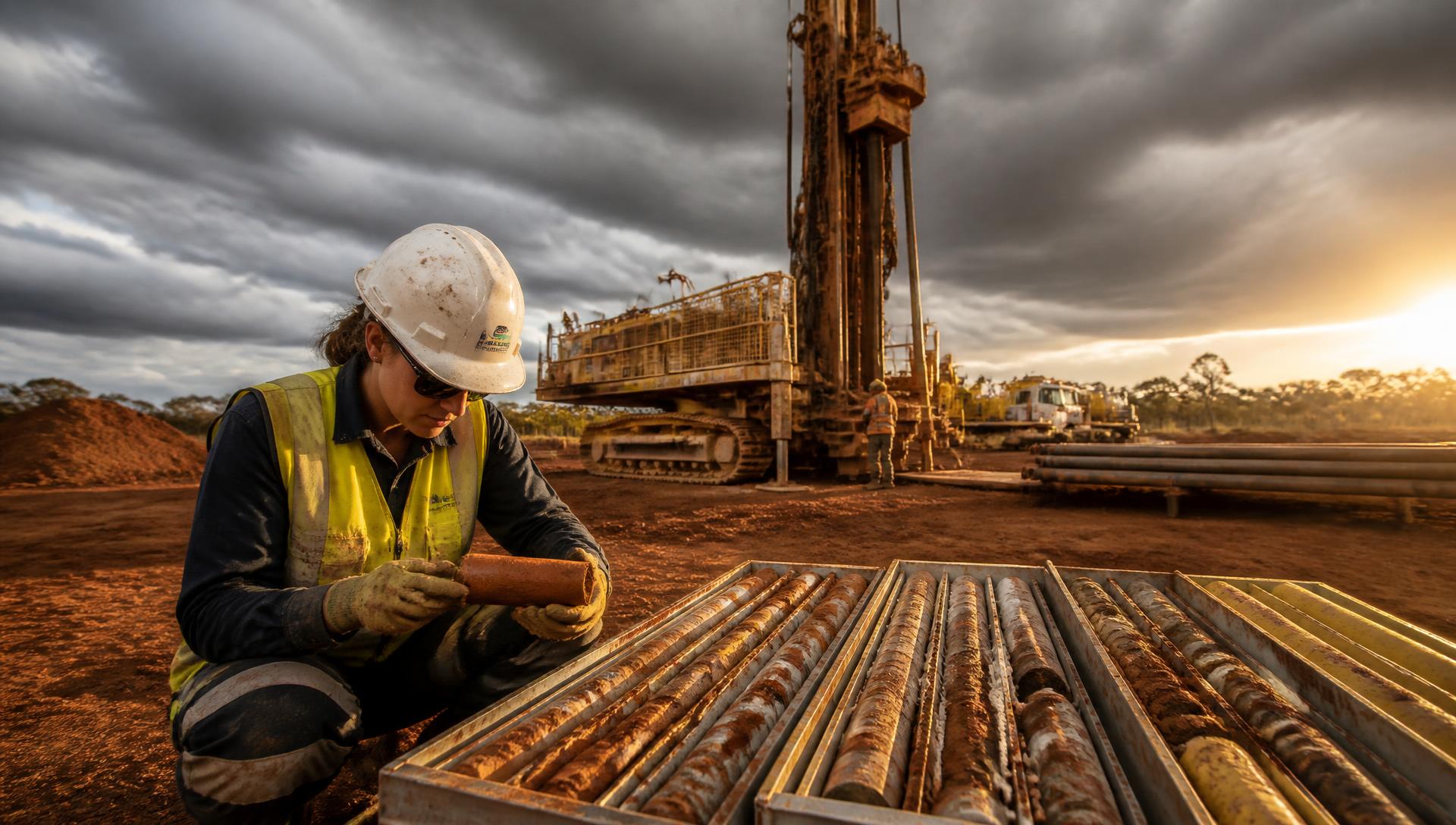
Track-mounted geotechnical drilling rig advancing a borehole on an Australian site

Comparison

Field and laboratory methods explained — at a glance

An overview only. Every entry below is described cautiously and is not an engineering limit; suitability is always confirmed against site-specific data.

Comparison of methods, typical applications and key limitations
MethodsBest suited toKey consideration
BoreholesDeeper structures, pile design, rock founding, groundwater assessment and layered or unknown profiles.Depth is set by the zone of influence of the proposed loading; logging follows recognised Australian classification practice.
Test PitsShallow footings, fill assessment, pavement subgrades, drainage issues and crack investigations.Useful for bulk sampling and observing fabric and seepage that small-diameter holes miss.
Standard Penetration Test (SPT)Granular soils, correlation with bearing and settlement parameters, and pile capacity assessment.Results are interpreted with the drilling log and corrected for the relevant test conditions before use in design.
Dynamic Cone Penetration (DCP)Residential footings, pavement subgrade assessment, fill screening and tight-access sites.Efficient for mapping variability across a footprint and identifying weaker layers for follow-up.
Pile TestingConfirming design capacity, checking founding conditions and validating installation on variable sites.Test type and frequency are set with the pile designer against the design capacity and consequence of failure.
SamplingReactive soil classification, shear strength, consolidation parameters and compaction specification.Sample type, preservation and handling are matched to the laboratory tests intended.
Groundwater ObservationsBasements, excavation support, retaining walls, slope stability and dewatering assessment.Short-term readings are supplemented by monitoring where seasonal or tidal variation is expected.
Laboratory TestingConverting field observations into the parameters used in settlement, bearing, pavement and earthworks design.The test schedule is selected from the design questions rather than run as a standard block.
Factual vs Interpretive ReportingFactual reporting suits tender and contractor information; interpretive reporting suits design and approvals.We confirm at the outset which is required, since it changes the scope, testing and level of assessment.

Methods

Field and laboratory methods explained

Methods are usually combined: one gives continuous profile, another gives strength, another gives sample quality. The mix depends on ground type, access and the parameters needed for design.

Method 01

Boreholes

Drilled holes that log the soil and rock profile with depth and allow in-situ testing and sampling at chosen intervals.

Best suited to / typical applications

Deeper structures, pile design, rock founding, groundwater assessment and layered or unknown profiles.

Design & construction considerations

Depth is set by the zone of influence of the proposed loading; logging follows recognised Australian classification practice.

Limitations, risks & verification

Requires rig access; a borehole samples one location, so spacing must reflect expected variability.

Discuss this option

Method 02

Test Pits

Excavator or backhoe pits that expose the profile so fill, moisture, root activity and bearing material can be seen directly.

Best suited to / typical applications

Shallow footings, fill assessment, pavement subgrades, drainage issues and crack investigations.

Design & construction considerations

Useful for bulk sampling and observing fabric and seepage that small-diameter holes miss.

Limitations, risks & verification

Depth limited by machine reach and stability; requires reinstatement and cannot be left open unsupported.

Discuss this option

Method 03

Standard Penetration Test (SPT)

A driven split-spoon test in a borehole giving blow counts that indicate relative density or consistency, plus a disturbed sample.

Best suited to / typical applications

Granular soils, correlation with bearing and settlement parameters, and pile capacity assessment.

Design & construction considerations

Results are interpreted with the drilling log and corrected for the relevant test conditions before use in design.

Limitations, risks & verification

Empirical and sensitive to procedure; less reliable in gravels, very soft clays or where obstructions are present.

Discuss this option

Method 04

Dynamic Cone Penetration (DCP)

Light hand-portable penetrometer testing giving a continuous strength profile through near-surface soils.

Best suited to / typical applications

Residential footings, pavement subgrade assessment, fill screening and tight-access sites.

Design & construction considerations

Efficient for mapping variability across a footprint and identifying weaker layers for follow-up.

Limitations, risks & verification

Shallow reach, stops on gravel or rock, and needs correlation to be used quantitatively.

Discuss this option

Method 05

Pile Testing

In-situ verification of installed pile performance, including installation-based verification and load testing where required.

Best suited to / typical applications

Confirming design capacity, checking founding conditions and validating installation on variable sites.

Design & construction considerations

Test type and frequency are set with the pile designer against the design capacity and consequence of failure.

Limitations, risks & verification

Testing verifies the tested piles; broader confidence relies on consistent installation records across the site.

Discuss this option

Method 06

Sampling

Recovery of disturbed and, where practicable, undisturbed samples for laboratory classification and strength testing.

Best suited to / typical applications

Reactive soil classification, shear strength, consolidation parameters and compaction specification.

Design & construction considerations

Sample type, preservation and handling are matched to the laboratory tests intended.

Limitations, risks & verification

Undisturbed sampling is not achievable in all materials; disturbance affects strength and stiffness results.

Discuss this option

Method 07

Groundwater Observations

Recording seepage, water levels during and after drilling, and installation of standpipes where longer-term levels matter.

Best suited to / typical applications

Basements, excavation support, retaining walls, slope stability and dewatering assessment.

Design & construction considerations

Short-term readings are supplemented by monitoring where seasonal or tidal variation is expected.

Limitations, risks & verification

A single reading rarely represents the design water level; perched water can be missed between test locations.

Discuss this option

Method 08

Laboratory Testing

Classification, grading, Atterberg limits, moisture-density, CBR, shear strength and consolidation testing on recovered samples.

Best suited to / typical applications

Converting field observations into the parameters used in settlement, bearing, pavement and earthworks design.

Design & construction considerations

The test schedule is selected from the design questions rather than run as a standard block.

Limitations, risks & verification

Results apply to the tested sample; extrapolation across the site depends on how representative sampling was.

Discuss this option

Method 09

Factual vs Interpretive Reporting

A factual report presents data and logs; an interpretive report adds parameters, assessment and design recommendations.

Best suited to / typical applications

Factual reporting suits tender and contractor information; interpretive reporting suits design and approvals.

Design & construction considerations

We confirm at the outset which is required, since it changes the scope, testing and level of assessment.

Limitations, risks & verification

A factual report should not be used as design advice, and an interpretive report is tied to the design it assumed.

Discuss this option

Selection considerations

What usually decides the approach

These factors tend to narrow the options faster than any single test result. Every recommendation remains site-specific and subject to the available data.

  • Depth of influenceInvestigation must reach below the depth the proposed loading actually affects.
  • Site historyUncontrolled fill, former dams, mining or landfill influence both method and depth.
  • AccessRig access, slope, services and vegetation often decide between boreholes, pits and hand methods.
  • Structure sensitivityMovement-sensitive structures justify more testing and better sample quality.
  • StagingEarly screening can redirect the remaining budget to the locations that matter.

Method

How the work runs

Scope is adjusted to the project, the risk and the information already available.

  1. 01Desktop reviewGeology, mapping, aerial history and existing reports to frame likely conditions.
  2. 02Field programmeBoreholes, pits and in-situ testing at spacings suited to the proposed development.
  3. 03Laboratory testingA targeted test schedule that produces the design parameters required.
  4. 04ReportingLogs, results, interpretation and clear recommendations for design and construction.

Typical deliverables

  • Borehole and test pit logs with material classification
  • In-situ and laboratory test results
  • Groundwater observations and, where installed, monitoring data
  • Interpreted design parameters and recommendations, or a factual data report where requested

Need an investigation scoped for your project?

Send the site address, proposed development, available drawings and any previous reports. We will propose an investigation sized to the decisions you need to make.